
South West Norfolk MP Terry Jermy has raised concerns about the future of farming and the proposed Longmarsh development during Prime Minister's Questions, warning that financial pressures are making alternative uses for agricultural land increasingly attractive.
The Labour MP highlighted proposals affecting more than 4,500 acres of farmland across two sites in West Norfolk, including land around Tilney St Lawrence and Fincham.
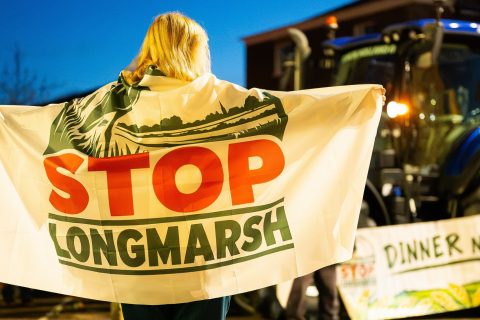
The Longmarsh proposals include extensive solar panel installations and an eight-storey data centre near Tilney St Lawrence, raising questions about the future use of agricultural land in the area.
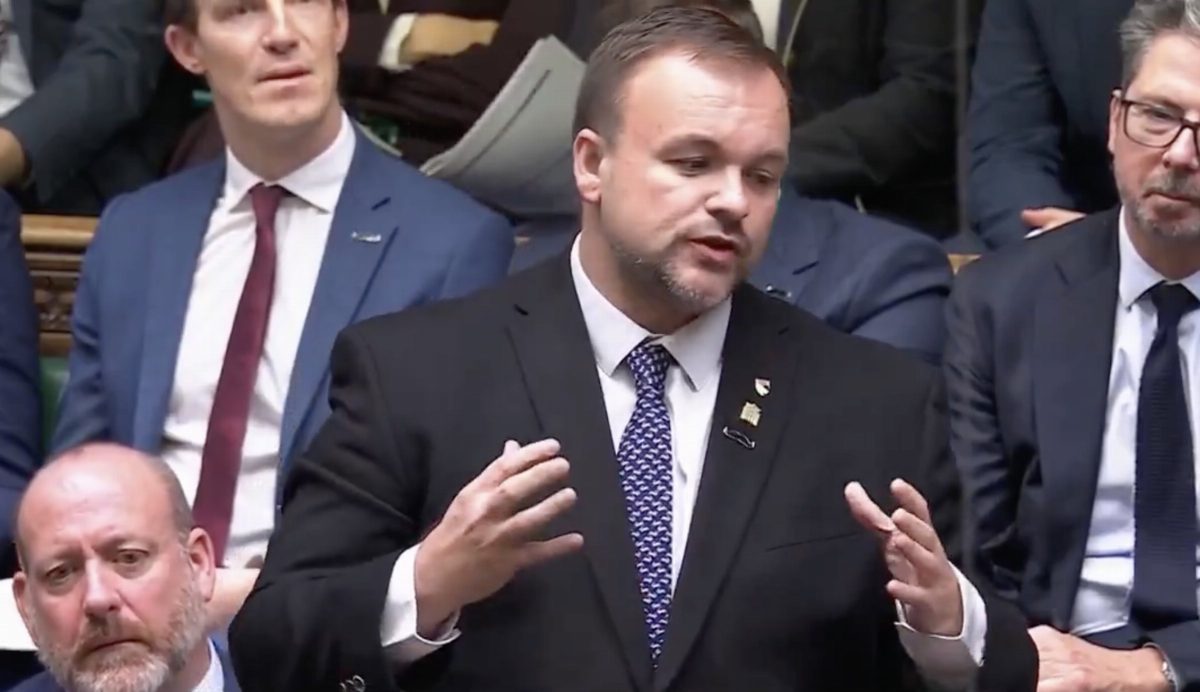
Speaking in the House of Commons, Mr Jermy said declining profitability was a significant factor behind proposals to use farmland for other purposes.
“Food production is becoming increasingly unprofitable, which is why we’re seeing so many alternative uses for land being proposed, including AI data centres, solar farms and housing, tragically on some of our best farmland.”
He called on the Government to address the financial pressures facing farmers and asked for assurances that food production would be protected through the forthcoming UK-EU Summit and the Government's ten-year plan.
The response acknowledged the challenges facing the agricultural sector, including the need to adapt to climate change, and indicated that further work was needed to support farming.
Mr Jermy said the issue was particularly important in South West Norfolk, where agriculture remains a significant part of the local economy.
“In South West Norfolk, farming remains at the heart of our local economy and communities, yet many of our farmers are continuing to face significant challenges, from financial pressures due to rising input costs and falling profitability, to climate and environmental issues, including wildfires and water scarcity.”
He said he had met more than 100 farmers since becoming an MP, with profitability repeatedly raised as a central concern.
The Longmarsh proposals have prompted discussion locally about the balance between renewable energy development, new infrastructure and the protection of agricultural land.
Mr Jermy's intervention focused on the wider economic pressures facing farmers and the importance of maintaining viable food production alongside decisions about future land use.
Photo: Screenshot of Parliament TV