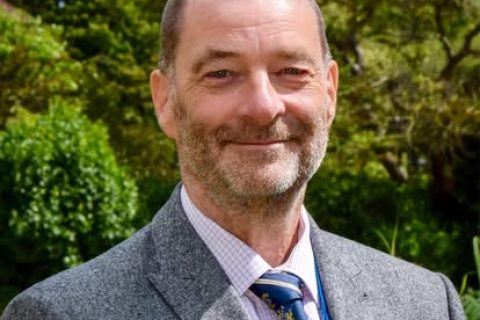

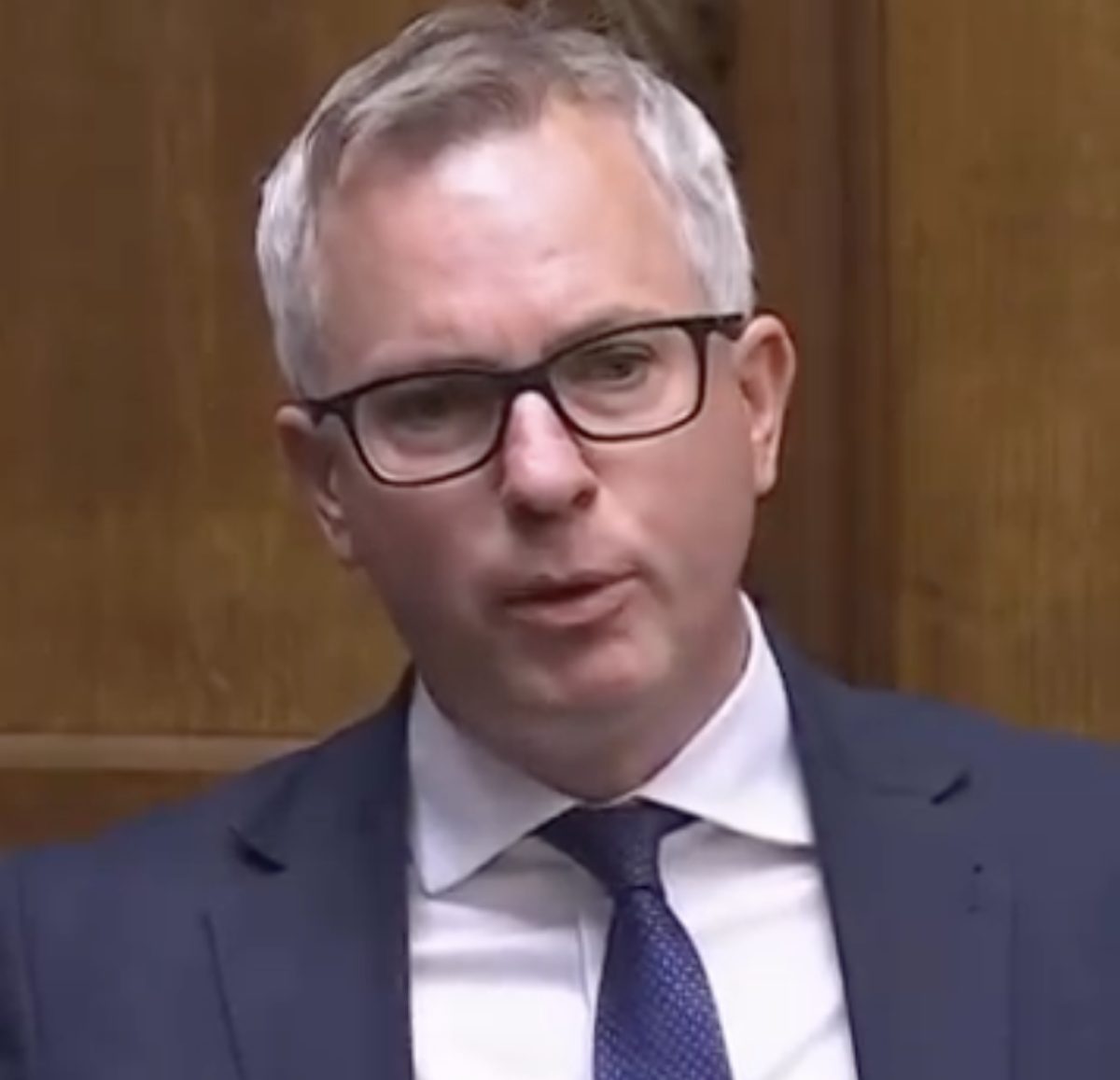
The Conservative MP raised his concerns during a House of Commons debate on the Visitor Levy (England) Bill on Monday 16 November, speaking on behalf of the Opposition in his role as Shadow Minister for Digital, Culture, Media and Sport.
The legislation would give mayors and strategic authorities in England the power to introduce a charge on overnight stays, potentially affecting hotels, bed and breakfasts, holiday parks, campsites and self-catering accommodation.
For West Norfolk, where tourism plays an important role in the economies of Hunstanton, Heacham, Snettisham and surrounding villages, the proposals could have implications for accommodation providers and their visitors.
Mr Wild argued that additional charges would make holidays in England more expensive, particularly for British families choosing to holiday closer to home.
“Despite what the Government might claim, this is a tax on hard-working British families. Weekends away, a family holiday or a few nights by the seaside will all cost more. This is a tax on staycations,” he told MPs.
He also raised concerns about the effect on hospitality businesses already facing higher operating costs, and questioned whether the levy could affect people travelling for work or staying overnight near hospitals.
What is the Government proposing?
The Visitor Levy Bill would allow eligible strategic authorities to decide whether to introduce a charge on commercially let overnight accommodation.
The Government says the money raised would remain in the area and could be invested in facilities and services benefiting both residents and visitors.
These could include improvements to high streets, public spaces, parks, visitor attractions and local infrastructure.
Ministers argue that giving local leaders the ability to raise revenue from tourism would help support the visitor economy and provide additional funding for areas attracting large numbers of overnight guests.
The legislation does not automatically introduce a visitor tax across England. Individual authorities would need to decide whether to use the proposed powers.
Although a 5% charge has been widely discussed, the Bill does not currently set that figure as a national rate.
Mr Wild questioned the absence of a fixed upper limit, saying the Conservatives would seek to amend the legislation to cap the charge at 5%.
Concerns for coastal tourism
North West Norfolk has a substantial visitor economy, with hotels, guest houses, caravan parks, holiday cottages and other accommodation businesses welcoming visitors throughout the year.
Mr Wild believes a levy could affect the competitiveness of domestic holidays and place additional pressure on businesses employing local people.
He cited concerns raised by UKHospitality about the potential impact on holiday costs, employment and the wider hospitality sector.
He also questioned whether some charitable accommodation, including scout camps, could be affected under the legislation.
The Government has said there would be national exclusions and provisions allowing certain accommodation types to be exempted, alongside measures intended to protect smaller providers.
The final arrangements would depend on the legislation and decisions made by eligible authorities.
Bill moves to next stage
MPs voted by 296 to 96 to approve the Bill at its second reading, allowing it to progress to detailed examination in a parliamentary committee.
Mr Wild voted against the legislation and has said he will continue to scrutinise its provisions as it moves through Parliament.
The Public Bill Committee is expected to examine the proposals during December, including the scope of the levy and how it could operate.
For accommodation businesses and visitors to West Norfolk, there is no new charge being introduced as a result of this vote alone.
The legislation must complete its parliamentary stages before any eligible authority could consider introducing a levy locally.