
The proposals would bring Norfolk and Suffolk together under a Mayoral Strategic Authority, with an elected mayor overseeing certain decisions and investment priorities across both counties.
For West Norfolk, the potential benefits could include better transport connections, investment in infrastructure, support for local businesses and training opportunities designed around the needs of employers.
However, while the council has renewed its backing, the proposals have not yet received all the approvals needed to go ahead.
What is being proposed?
The Norfolk and Suffolk Mayoral Strategic Authority would be responsible for coordinating investment and development across the two counties, taking on certain powers and funding currently controlled by central government.
At the heart of the proposals is a long-term investment fund worth more than £1.1 billion, although the final amount and funding arrangements remain subject to confirmation.
The idea behind devolution is to allow more decisions affecting local communities to be made within the region rather than in Westminster.
Supporters believe this could help Norfolk and Suffolk plan major infrastructure projects together, attract investment and ensure training opportunities better reflect the needs of local businesses.
For communities across West Norfolk, where rural transport, housing and access to employment remain important issues, the way those powers are used could have a direct impact on everyday life.
Why has Norfolk renewed its support?
Norfolk County Council had previously agreed to support the proposals but was required to renew its consent following changes to the Government’s timetable for mayoral elections and its national devolution framework.
The decision followed consideration by the council’s Strategic and Corporate Select Committee.
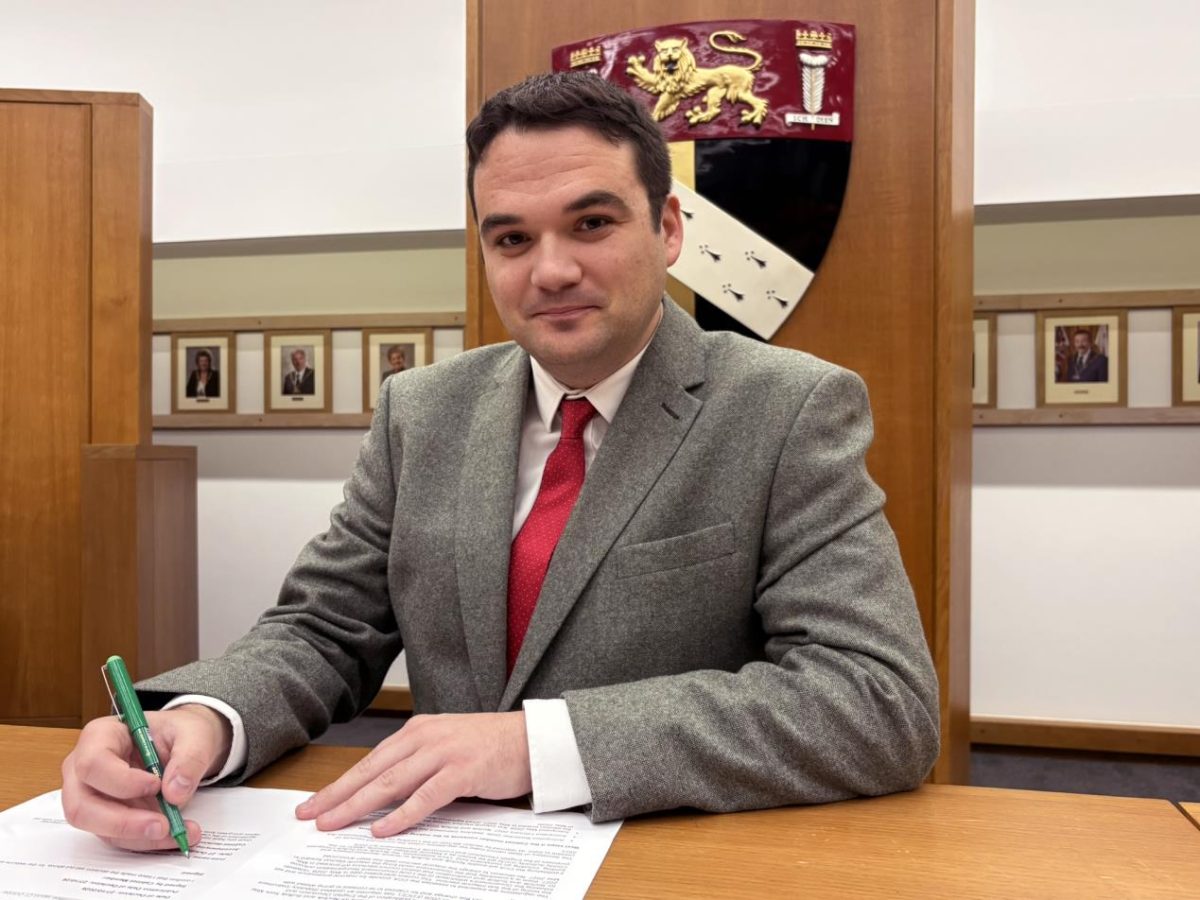
Councillor Robin Hunter-Clarke, deputy leader of Norfolk County Council and cabinet member for strategy, devolution and local government reorganisation, said the proposals offered an opportunity to bring decision-making closer to local communities.
“Norfolk and Suffolk deserve a stronger voice and greater control over the decisions that shape our future. We have agreed to renew Norfolk’s consent because devolution offers the opportunity to bring more power and investment closer to our communities.
“A Mayoral Strategic Authority for Norfolk and Suffolk would bring the strengths of both counties together to support long-term economic growth.”
He said the ambition was to support businesses, improve infrastructure and help residents develop the skills needed for better employment opportunities.
“Our ambition is to back local businesses, improve transport and infrastructure, and help people gain the skills to secure better jobs. We want an authority that is accountable to residents and makes every pound work harder for taxpayers.”
What could it mean for West Norfolk?
While the proposals cover both Norfolk and Suffolk, the decisions made by a future authority could be particularly relevant to rural communities and towns such as King’s Lynn, Hunstanton and Downham Market.
Transport is one area where closer coordination could make a difference, particularly when journeys cross county boundaries or involve connections between rural villages and larger employment centres.
The authority could also help align training and education with local job opportunities, while taking a more coordinated approach to housing and the infrastructure needed to support development.
However, the announcement does not confirm specific projects or funding allocations for West Norfolk.
Those details would depend on the powers eventually transferred, the priorities agreed by the new authority and the funding available.
What happens next?
Norfolk’s renewed consent is only one part of the process.
Suffolk County Council must also decide whether to renew its support, with a decision expected in November.
Further statutory approvals and confirmation of the final arrangements will also be needed before the proposed authority can be established.
If the plans proceed, the first election for a Norfolk and Suffolk mayor is currently scheduled for May 2028.
Councillor Hunter-Clarke said Norfolk would continue working with Suffolk and the Government as the remaining decisions are considered.
For residents, the important questions will be how the new arrangements affect local services, where investment is directed and how communities can influence the decisions being made.
The proposed £1.1 billion investment fund represents a substantial potential commitment to the region, but it is not a confirmed allocation to individual councils, towns or projects.
For West Norfolk, the real test will be whether bringing more decisions closer to home results in improvements that people can see and feel, from better transport and local jobs to the infrastructure our communities need for the future.
Photo supplied: Councillor Robin Hunter-Clarke, deputy leader of Norfolk County Council and cabinet member for strategy, devolution and local government reorganisation