
The announcement follows weeks of growing concern about the hospital's future, with residents, campaigners and politicians fearing that some of its most important departments could be moved elsewhere in Norfolk.
At a meeting of the Norfolk and Waveney University Hospitals Group (NWUHG) board, members agreed that all three hospitals within the group should retain their 24-hour emergency departments and critical care services.
The decision means the Queen Elizabeth Hospital, Norfolk and Norwich University Hospital and James Paget University Hospital in Gorleston will continue to provide these essential services under the group's long-term clinical strategy.
But while the announcement brings reassurance over emergency care, the board has also agreed that maternity, neonatal and children's services require further detailed assessment.
A community that made its feelings clear
The announcement follows considerable public concern in West Norfolk after reports emerged in September suggesting that senior NHS figures were considering whether some services currently provided at the QEH could be delivered elsewhere.
For many residents, the possibility of losing emergency care raised serious questions about the distances patients might have to travel, particularly from rural and coastal communities.
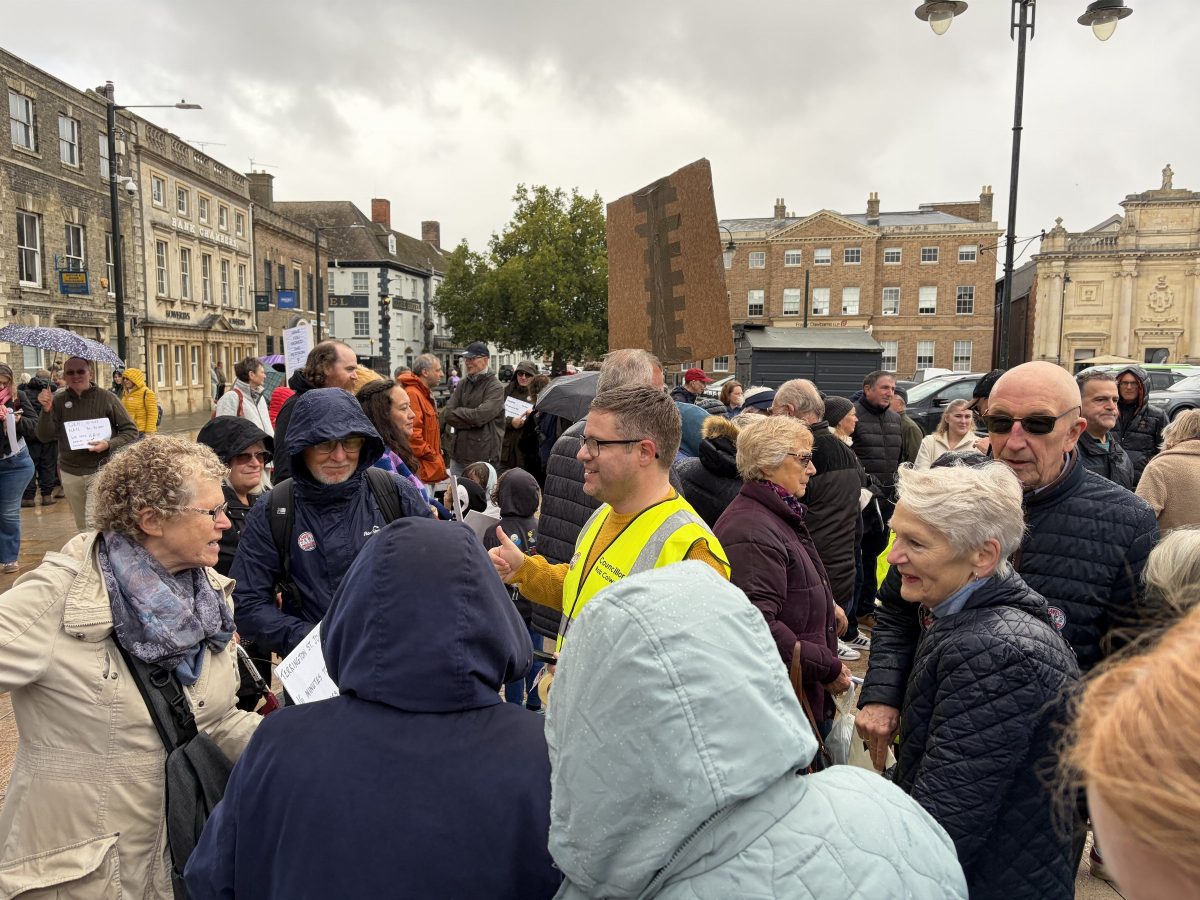
Those concerns were brought into sharp focus during a demonstration on King's Lynn's Tuesday Market Place in October, when hundreds of people formed a symbolic human A&E queue.
Campaigners carried placards showing how long it would take them to reach the Norfolk and Norwich University Hospital if emergency services were no longer available in King's Lynn.
The demonstration highlighted the importance of the QEH to communities stretching across West Norfolk and beyond, where journeys to alternative hospitals can be lengthy.
Maternity services still under review
Although the future of emergency and critical care has been clarified, the position regarding maternity services remains less certain.
The NHS group confirmed that clinicians have examined scenarios in which hospital births continue at all three hospitals, or are provided at two hospitals or just one.
Officials stressed that these scenarios are part of an assessment process and do not represent formal proposals or a preferred option.
The board's decision to continue the review does not authorise the closure, relocation or reorganisation of any individual service.
Further assessments, public involvement and formal decision-making would be required before any changes could take place.
Nevertheless, the possibility of maternity services being concentrated at fewer hospitals is likely to remain a significant concern for expectant parents and families across West Norfolk.
NHS says changes must improve patient care
The review forms part of the group's wider Case for Change clinical strategy, which examines how hospital services could be delivered in the future.
NHS officials say the work is being driven by changing population needs, growing demand, workforce pressures and the challenge of maintaining consistently high standards of care.
The group wants to develop a model based on strong local hospitals, more care provided through community services and improved access to specialist expertise.
Professor Lesley Dwyer, Group Chief Executive of NWUHG, said the ambition was to provide better care for patients across Norfolk and Waveney.
“There is much to be proud of across our hospitals, but we also know that we do not consistently deliver the quality of care people need.
“Demand is growing, people’s needs are changing and some services are becoming increasingly difficult to staff and sustain.”
She emphasised that the board's decision was not an agreement to remove services.
“The board has agreed that the evidence supports a case for change and that further work should now take place. This is not a decision to close or relocate individual services.”
Professor Dwyer added that hospitals would remain central to future healthcare provision, alongside efforts to provide more services closer to patients' homes.
MP welcomes A&E reassurance but raises maternity concerns
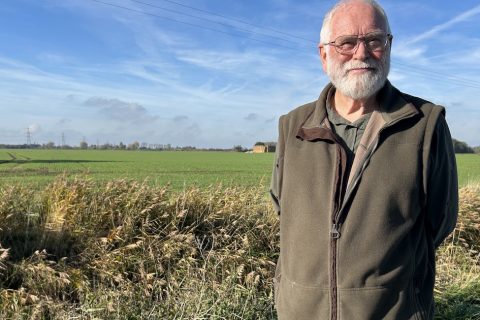
North West Norfolk MP James Wild welcomed the confirmation that emergency and critical care would remain at the QEH but said the continuing uncertainty over maternity services was worrying.
“From the beginning, I have opposed downgrading A&E at QEH and it is reassuring any plans to remove consultant-led emergency and critical care have been dropped. It was not tenable to lose such vital services for our community.”
However, he questioned whether the ongoing review was giving sufficient consideration to the particular challenges facing West Norfolk.
“While the NHS mantra has been bringing care closer to patients, it is worrying the NHS Group continue to pursue proposals that could lead to the removal of maternity services at QEH.
“This approach does not reflect the rurality, travel times, deprivation, and other issues in our community which must be central to any consideration of future local service provision.”
Mr Wild said he would continue campaigning to protect local services as work progresses on the future of the hospital.
What happens next?
The NHS group will now carry out further work examining maternity, neonatal and children's services before any specific proposals are brought forward.
Any proposed changes would require additional assessment, involvement with affected communities and formal approval.
For West Norfolk, the confirmation that emergency and critical care services will remain at the QEH is an important development after weeks of uncertainty.
But the continuing review of maternity provision means there are still questions to be answered about where future generations of local families will receive care.
The message from the latest announcement is clear: emergency and critical care at the QEH will remain, but the future arrangements for maternity and children's services have yet to be decided.